

The Role of Nonprofits in the Pacific: Empowering Communities and Fostering Sustainability
In the diverse and vibrant region of the Pacific, nonprofits serve as crucial agents of change. These organizations work tirelessly to uplift local communities, preserve cultural heritage, and promote sustainable practices. One notable example is pacific nonprofit oped vanuatu, which showcases how grassroots movements can effectively address the unique challenges faced by Pacific island nations.
The Pacific is home to numerous island nations, each with its own unique culture, challenges, and opportunities. Nonprofit organizations often fill the gaps that governments may overlook, addressing issues such as education, healthcare, environmental conservation, and economic development. Their efforts are essential for building resilience against the many threats posed by climate change, economic instability, and social inequity.

Community Empowerment through Education
Education is a cornerstone of community empowerment in the Pacific. Nonprofits play a pivotal role in enhancing educational access and quality, particularly in remote and underserved areas. They provide resources, training, and support to teachers, ensuring that children receive a quality education that respects and incorporates local culture and traditions.
In addition to formal education, many nonprofits f
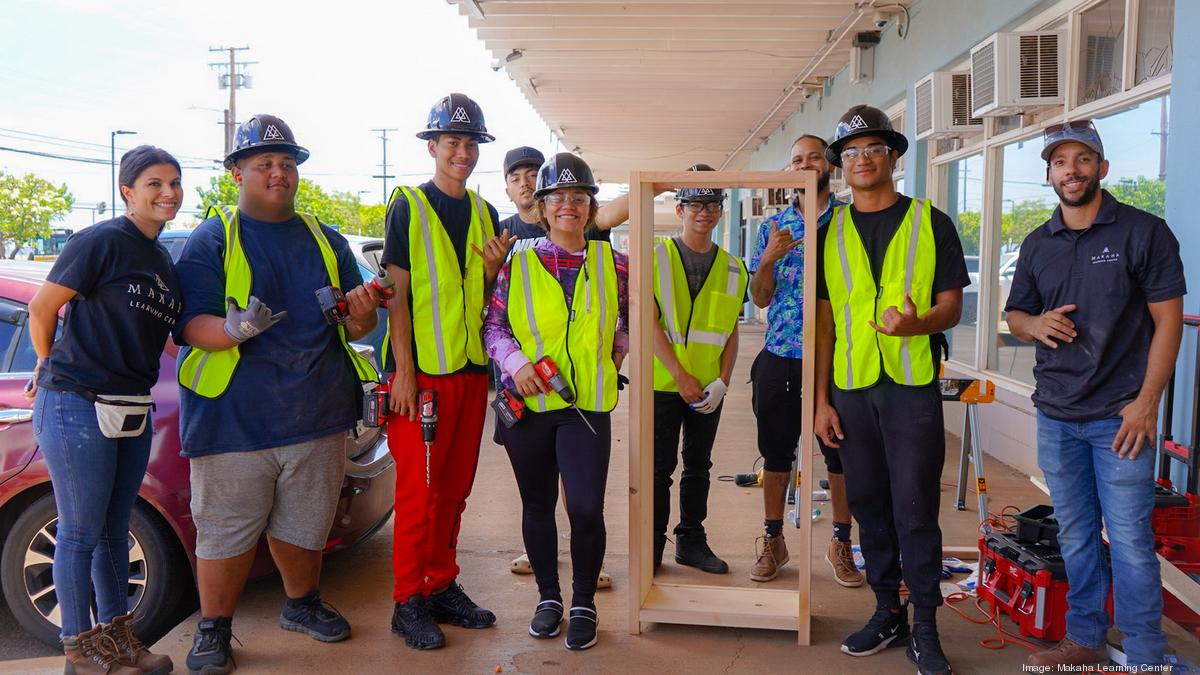
ocus on adult education programs, offering skills training and vocational courses that equip individuals with the tools needed to improve their livelihoods. By investing in education, nonprofits help to break the cycle of poverty and promote self-sufficiency in Pacific communities.
Health Initiatives and Community Wellness
The health of a community is critical to its sustainability and growth. Nonprofits in the Pacific often focus on improving healthcare access and addressing public health challenges. They establish clinics, run vaccination campaigns, and promote awareness around vital health issues such as maternal and child health, nutrition, and disease prevention.
Collaborative health initiatives between nonprofits, local governments, and international organizations are particularly effective in tackling widespread health challenges. By fostering partnerships, these organizations can share resources, knowledge, and best practices, ultimately leading to better health outcomes for entire communities.
Environmental Conservation and Sustainability
The Pacific region is extraordinarily rich in biodiversity, yet it faces significant environmental challenges, including climate change, overfishing, and habitat destruction. Nonprofits play an instrumental role in promoting environmental stewardship and sustainable practices. They educate local communities about conservation, conduct research, and implement projects aimed at protecting marine and terrestrial ecosystems.
By engaging local communities in conservation efforts, nonprofits help to foster a sense of ownership and responsibility towards the environment. Initiatives such as reforestation, sustainable fishing practices, and waste reduction campaigns are examples of how nonprofits are directly contributing to the sustainability of Pacific island nations.
Economic Development and Fair Trade
Economic development is crucial for the stability and growth of any community. Nonprofits in the Pacific work to create sustainable livelihoods through various initiatives, including supporting small businesses, promoting fair trade, and providing access to microfinance. By empowering local entrepreneurs and artisans, these organizations help to stimulate local economies and reduce poverty.
Furthermore, many nonprofits advocate for fair trade practices, ensuring that producers receive fair compensation for their goods. This approach not only supports local economies but also encourages sustainable production methods that respect cultural traditions and protect the environment.
Conclusion: A Path Forward for Pacific Nonprofits
The significance of nonprofits in the Pacific cannot be overstated. They serve as catalysts for positive change, addressing critical issues that affect the lives of individuals and communities. By prioritizing education, health, environmental sustainability, and economic development, these organizations help to create resilience and empower people to shape their own futures.
As the region faces ongoing challenges, it is essential for nonprofits to continue their vital work and to collaborate with governments, businesses, and communities. Only through collective effort can we ensure a sustainable and equitable future for all Pacific island nations. The role of nonprofits will remain indispensable as they navigate the complexities of social, economic, and environmental issues in this diverse and dynamic region.