

The Role of NGOs in Vanuatu: Empowering Communities and Fostering Development
Non-Governmental Organizations (NGOs) in Vanuatu play a crucial role in enhancing the livelihoods of communities across the archipelago. From promoting education and health awareness to advocating for environmental sustainability, these organizations drive significant change. One such example is the ngo vanuatu vanuatu nonprofit organization that exemplifies the grassroots efforts to uplift local populations. This article explores the vital functions of NGOs in Vanuatu, their successes, challenges, and future prospects.
The Historical Context of NGOs in Vanuatu
Vanuatu, a Pacific island nation consisting of approximately 83 islands, has a rich cultural heritage and distinct social structures. After gaining independence from France and the UK in 1980, the islands faced numerous socio-economic challenges, including limited infrastructure, access to education, and healthcare. As a result, grassroots organizations began springing up, focusing on sustainable development and social justice.
Historically, NGOs filled the void left by governmental agencies, particularly in rural areas where the reach of state services was limited. They mobilized resources, raised awareness, and facilitated programs aimed at improving living standards, demonstrating resilience and adaptability. The post-independence era was marked by a surge in NGO activity, with various organizations addressing issues ranging from disaster relief to women’s empowerment.
Focus Areas of NGOs in Vanuatu
NGOs in Vanuatu operate in a variety of sectors aiming to uplift communities and support vulnerable populations. Key focus areas include:
1. Education
Education is one of the primary sectors addressed by NGOs in Vanuatu. Organizations collaborate with local communities to build and support schools, provide scholarships, and enhance educational materials. They work to ensure that children, especially girls and those from disadvantaged backgrounds, have access to quality education. Initiatives have been launched to promote adult education and vocational training, crucial for enhancing employability among the youth.

2. Health
The health sector has also seen significant contributions from NGOs. Programs focusing on maternal and child health, nutrition, and disease prevention have been crucial in reducing mortality rates and improving general health conditions. Awareness campaigns about diseases such as malaria and HIV/AIDS have also been implemented, emphasizing the importance of education in transforming public health.
3. Environmental Sustainability
The natural beauty and biodiversity of Vanuatu face threats from climate change, deforestation, and unsustainable agricultural practices. NGOs have been at the forefront of advocating for environmental conservation and sustainable practices. Initiatives to restore mangroves, protect coral reefs, and promote organic farming practices represent a merging of cultural values and environmental stewardship.
4. Women’s Empowerment
Gender equality is another area where NGOs have made impactful strides. Through various projects, they aim to empower women by providing access to resources, legal aid, and education. Awareness campaigns challenge traditional gender roles, encouraging women to participate actively in community decision-making and economic activities.
Success Stories
Over the years, NGOs in Vanuatu have achieved significant milestones. For instance, several organizations have successfully facilitated community-led projects that have improved agricultural practices. By introducing sustainable farming techniques, communities have seen increased food security and resilience against climate shocks. Furthermore, cultural preservation initiatives have allowed indigenous practices to flourish, providing a sense of identity and community pride.
Challenges Facing NGOs
Despite their successes, NGOs in Vanuatu face numerous challenges. Funding remains a significant hurdle, as many organizations depend on international grants and donations, which can be inconsistent. Additionally, infrastructural limitations, such as transportation and communication barriers, often hinder program implementation. The geographical dispersion of the islands poses logistical challenges, making it difficult to reach remote communities effectively.
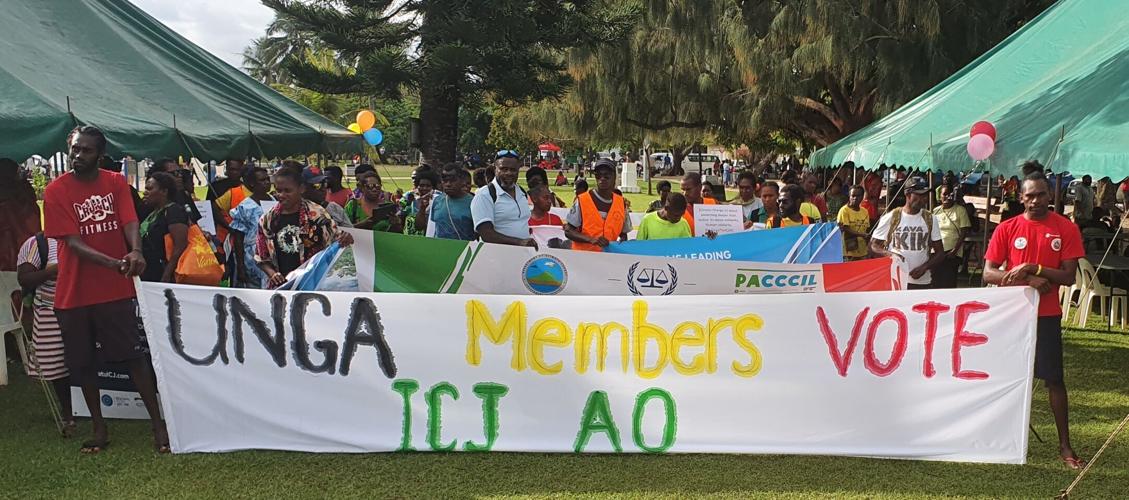
Furthermore, the impact of climate change continues to be a pressing concern. Natural disasters, such as cyclones and rising sea levels, disrupt community development efforts and strain already limited resources. NGOs must also navigate local politics and ensure that their actions align with governmental policies, which can sometimes be at odds with community needs.
Future Outlook
Looking ahead, the role of NGOs in Vanuatu is poised to grow in importance as communities continue to face both immediate and long-term challenges. Collaboration will be key. Increased partnerships between NGOs, the government, and international organizations can enhance resource sharing and strategic planning. By fostering a spirit of cooperation, stakeholders can build resilient communities that are better equipped to tackle issues such as climate change and socio-economic inequality.
The focus on sustainability and capacity building must remain central to NGO efforts. By empowering local communities to take the lead in their development, NGOs can create lasting change that transcends generations. Engaging youth in these processes ensures that Vanuatu’s future leaders are equipped with the necessary skills and knowledge to continue this work.
Conclusion
The contributions of NGOs to Vanuatu’s development cannot be overstated. Through education, health initiatives, environmental advocacy, and women’s empowerment, these organizations foster hope and resilience among vulnerable populations. As they navigate the complexities of funding, logistics, and climate impacts, the continuous support from the global community will be vital. By harnessing collective efforts, NGOs in Vanuatu can continue to be powerful agents of change, driving toward a more equitable and sustainable future for all.