
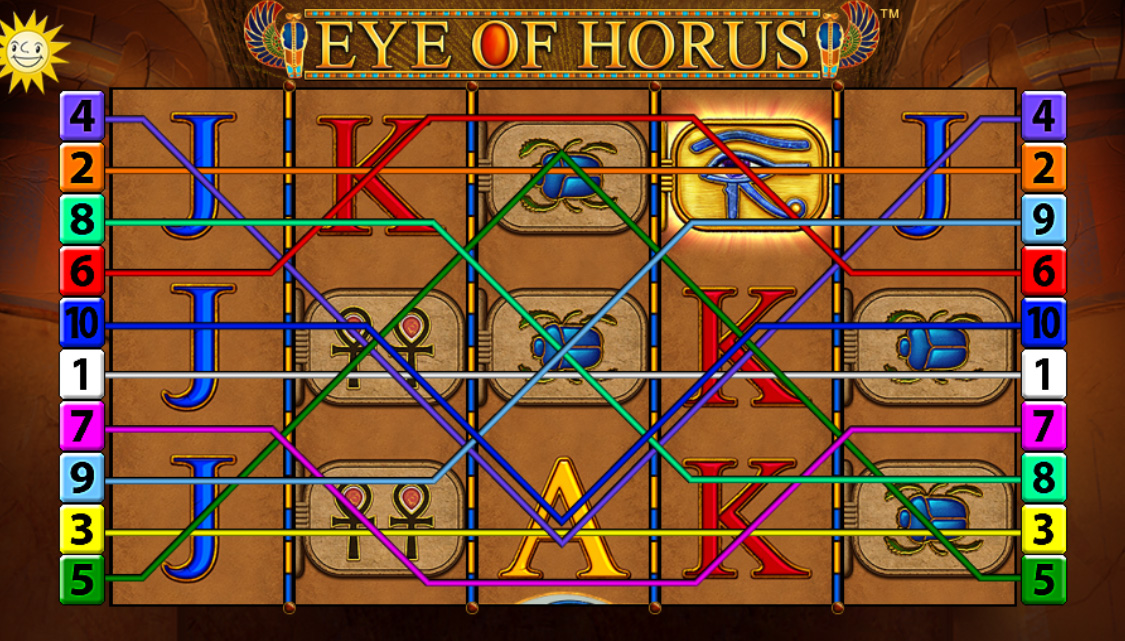
The UK online gaming scene keeps changing, but a classic like Eye of Horus hasn’t simply persisted on nostalgia. Its ongoing popularity relies on a clear, actionable plan for its development. We can observe the future of this iconic slot isn’t being left to chance. Instead, a transparent schedule of updates and improvements is actively defining it. This kind of strategic planning is essential. It sustains player interest in a competitive market where flashy new titles often push older games aside. By looking at public information, developer comments, and past updates, a coherent picture emerges of what’s next for players and operators. This article will analyze the current status of Eye of Horus, look at what its recent changes mean, and forecast its path within the UK’s regulated environment. The evidence indicates its future is guaranteed, thanks to deliberate innovation focused on players, not just a famous name.
Reviewing the Present State of Eye of Horus in the UK Market
Eye of Horus is a pillar of the UK online casino portfolio. It gained this spot by combining uncomplicated gameplay with a captivating Ancient Egyptian motif. Its status isn’t just about legacy. Current data shows it stays a reliable favourite for UK players, frequently appearing on ‘most played’ lists at major casino websites. Several factors clarify this lasting power. The game’s medium volatility offers a well-rounded experience that suits a wide audience. Its systems, like expanding symbols and free spins, are straightforward to grasp but still engaging. The graphics have a classic clarity and charm that never aged poorly. Just as crucial, the slot conforms fully with the UK Gambling Commission’s rigorous rules on RTP transparency, stake limits, and responsible gambling options. This compliance ensures its persistent presence on UK sites. This robust foundation is the required platform for all future efforts. It proves the game’s core formula still carries real significance in the market.
Even with this solid footing, the slot operates in a changing ecosystem. A continuous stream of new games emerges, offering intricate bonus rounds, ‘Megaways’ mechanics, and engrossing stories. This is the persistent challenge. For Eye of Horus to maintain and expand its audience, staying unchanged isn’t an option. The developers have shown they recognise this through incremental but significant updates. They steer clear of major overhauls that might disrupt the current fanbase, choosing instead for calculated refinements. One instance is the emphasis on perfect mobile gameplay across all modern devices, which is now a basic requirement. The game’s operation on various UK platforms gets consistent enhancement, a sign of active maintenance. This attentive stewardship of the live product is the first, most apparent part of the development pipeline. It reflects a commitment to high standards today, while efforts on tomorrow’s progress happens behind the scenes.
Latest Changes and Their Strategic Consequences
A look at the recent update history for Eye of Horus reveals a pattern of strategic enhancement, not arbitrary tinkering. One key move has been the rollout of promotional tie-ins and time-limited bonus events linked to the main game. These aren’t just empty promises. They are built to integrate directly with the gameplay, offering players fresh goals and periods of increased engagement. These events serve a double purpose. They thrill players, but they also act as live tests. The development team receives valuable data on how players respond to modified mechanics and reward structures. This method allows for A/B testing of prospective features in the live setting, without forever changing the core game players know. Information on engagement metrics, session length, and direct feedback from these events directly influences the roadmap priorities for the permanent development roadmap.
Another vital update area is backend regulatory adherence and integration. The UK regulatory landscape is always changing, with constant talks about stake limits, game design, and affordability checks. The Eye of Horus development pipeline must commit substantial resources here. The aim is to ensure the slot meets today’s standards and is built to adapt quickly to future rules. This work might involve enhancing time-out functions, establishing smoother integration with national self-exclusion databases, or tweaking promotional language. Such updates are less apparent to players, but they are arguably the most important for the game’s long-term survival in the UK. Any popular slot that fails to adapt to regulatory shifts faces the risk of being delisted. The constant flow of these compliance updates delivers a strong message: keeping the game operable in the UK is a key development priority.
Anticipated Elements and Gaming Development
Monitoring the direction determined by new developments and broader market trends, one can anticipate multiple likely routes for Eye of Horus. An immediate successor or a ‘Megaways’ adaptation is a strong possibility. This would utilize the brand’s solid reputation while providing the mathematical intricacy and substantial payout chance a portion of the market desires. Such a launch would likely keep the famous scarab, eye, and ankh symbols, along with the well-known goddess narration. But it would position them within a variable reel layout that changes every spin. This would be a major yet logical step for the franchise. It would appeal to existing players seeking a new challenge and new players lured by a established concept combined with modern mechanics. The development pipeline is the mechanism for this enlargement, guiding the concept through stringent mathematical modelling, UKGC compliance testing, and final optimisation.
Beyond entirely new game variants, the base slot itself might see expanded elements. The existing free spins round, a popular feature, could be expanded. Optional add-ons or a progressive multiplier tier could introduce a element of strategy. A ‘buy bonus’ feature, carefully configured within the UK’s incoming stake limit rules, is another plausible addition. Gentle narrative additions or milestone-based rewards could also boost interaction without overcomplicating the base game. These kinds of additions would go through rigorous evaluation in the production pipeline. The focus would stay on maintaining the game’s praised equilibrium. The goal is improvement, not a full rework. The essence of Eye of Horus must stay preserved even as its arsenal expands.
Sector Positioning and Competitive Adjustment
The prospects of Eye of Horus in the UK hinges on its adaptation to its competition. Its primary advantage is immediate recognition and credibility. It’s a familiar presence in a market flooded with new, untested ideas. The development strategy appears to leverage this by presenting the slot as a dependable ‘anchor’ title on casino floors. It’s the beloved classic to which players come back between sessions of modern slots. This approach is reinforced by smooth technical operation, targeted promotional deals, and a maintained community presence. The pipeline almost certainly includes frequent market comparison. The group compares Eye of Horus with other classic slots and new entrants, spotting where feature gaps are appearing or where player expectations are moving.
Adjustment also entails considering novel distribution avenues. Integration into emerging formats is a strategic consideration. This includes free-to-play slot games or social casinos that function as entry points to paid play. A progressive development roadmap would entail experimenting with these formats. In the same way, as VR and advanced live-streamed play gain traction, the distinctive visual and thematic brand of Eye of Horus positions it for adaptation. The main idea is: the roadmap isn’t solely focused on the upcoming quarterly release. Its framework allows evaluating and, where suitable, adopting extended technological trends. This methodology ensures the brand remains modern amid various prospective developments in the UK gaming industry.
Regulatory Adherence as a Engine for Development
In the UK, regulatory compliance is not merely a formality. It’s a central driver of game development. The Eye of Horus development pipeline must be agile enough to address regulatory shifts. Current focus areas include the rollout of stricter affordability checks, potential new limits on bonus mechanics, and rules for clearer display of financial risk indicators. Each of these areas requires a direct response in technical and design terms from the developers. For instance, designing intuitive interfaces that show session loss and time played more effectively could become mandatory. That would be a substantive update flowing straight from the compliance side of the pipeline.
Furthermore, the debate around ‘loss chasing’ features and bonus buy-ins directly influences game design. Any future features developed for Eye of Horus must pass strict reviews. They have to be in line with the UKGC’s goals of preventing player harm. This regulatory environment is demanding, but it can also push innovation in responsible game design. The pipeline could explore features that encourage healthier play. Think customizable loss limits built directly into the game interface, or ‘achievement’ systems that reward extended play without requiring more bets. By treating regulatory adaptation as a stimulus for player-centric innovation, not just a constraint, the development pipeline can do more than help Eye of Horus survive. It can establish the game as a pioneer in ethical design within the UK market.
Sustained Brand Strategy and Player Retention
The primary goal of a clear development pipeline is to secure the long-term health of the Eye of Horus brand eyeofhorus.games. This goes beyond a single slot game to creating a loyal player community. Future developments will likely include more active community outreach. This could leverage player data (within privacy rules) to personalise experiences or offer tailored rewards. The brand might branch out into merchandise or crossover promotions, letting players engage with the game’s iconic symbols off-screen. The development pipeline for the game itself fuels this broader strategy. Every new feature, sequel, or visual update is a interaction. It reinforces the brand’s presence and shows a continued commitment to its audience.
Retention is fueled by consistent, valued communication. A transparent pipeline enables operators and players see evolution coming. This fosters a sense of investment in the game’s journey. Teasers for upcoming features, developer blogs explaining the thinking behind changes, responsive feedback loops where player suggestions are heard and sometimes implemented all these activities stem from a structured, forward-looking plan. In a market where players have endless choices, the assurance that a favourite game is actively nurtured and evolved with care is a powerful retention tool. Through its visible and committed pipeline, Eye of Horus is building that assurance. It is evolving from a static product into a dynamic, evolving entertainment experience with a clear and promising future in the UK.
The future of the Eye of Horus slot in the UK isn’t a secret. It’s being mapped out through a transparent and responsive development pipeline. The strategy covers many bases. It safeguards the game’s current performance and regulatory standing. It prototypes new features and explores new formats. It balances respect for the game’s classic appeal with a practical drive for innovation. This maintains it competitive in a sea of new releases. This deliberate, player-focused approach to evolution, grounded in rigorous compliance, positions Eye of Horus not as a museum piece, but as a resilient and adaptable mainstay of the UK online gaming landscape for the foreseeable future.