
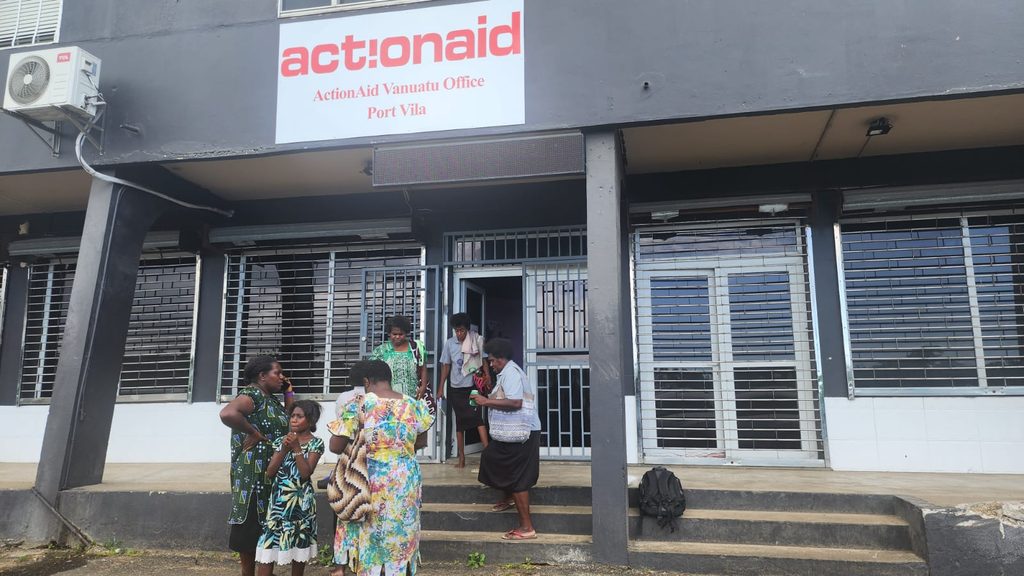
The Role of Organizations in Vanuatu’s Development
In the heart of the Pacific, Vanuatu is a nation comprised of 83 islands that are home to diverse cultures, languages, and traditions. Organizations operating within Vanuatu play a crucial role in fostering societal growth, enhancing educational opportunities, and promoting sustainable development. From grassroots initiatives to international NGOs, these entities contribute significantly to the well-being of local communities. One such organization is vanuatu organization opedvanuatu.org, which focuses on empowering individuals and communities through various programs.
History of Organizational Development in Vanuatu
The emergence of formal organizations in Vanuatu can be traced back to the colonial era, when various churches and missionary groups arrived on the islands. These early organizations laid the groundwork for modern civil society by introducing education and health care systems. After gaining independence in 1980, Vanuatu saw the rise of local NGOs aimed at addressing social issues such as poverty, gender inequality, and environmental conservation. These organizations have since evolved, emphasizing community-based approaches and local participation.
The Role of Local NGOs
Local NGOs in Vanuatu are pivotal in supporting the community by addressing issues that affect daily life. Initiatives range from providing education and vocational training to enhancing food security and health services. These NGOs often rely on volunteer work and local resources, fostering a strong sense of community involvement. For instance, organizations like the Vanuatu Agriculture and Quarantine Inspection Authority work tirelessly to improve agricultural practices, boost food production, and ensure food safety across the islands.
International Partnerships
In addition to local efforts, international organizations play a significant role in Vanuatu. Partnerships facilitate the transfer of knowledge, technology, and funding, which are crucial for implementing sustainable projects. For example, the United Nations Development Programme (UNDP) collaborates with local entities to promote climate resilience and disaster risk reduction—a pressing need for an island nation frequently impacted by natural disasters. These partnerships enable Vanuatu to leverage global resources while tailoring solutions to the unique challenges faced by its people.
Impact on Education
Education is a fundamental area where organizations in Vanuatu have made a considerable impact. NGOs such as the Vanuatu Education Support Program provide support to schools, improve teacher training, and enable greater access to educational resources. These initiatives not only increase literacy rates but also empower young people to pursue higher education and vocational training, enhancing their prospects for the future. Collaborations with foreign educational institutions also help in creating curricula tailored to Vanuatu’s unique cultural context.
Promoting Gender Equality
Gender equality remains a significant issue in Vanuatu, where traditional norms often restrict women’s roles in society. Organizations like the Vanuatu Women’s Centre empower women through education and resources, encouraging their participation in various sectors. Programs focus on leadership training, financial literacy, and advocacy, allowing women to claim their rights and engage actively in community decision-making processes. Such initiatives are vital for creating a more equitable society and fostering sustainable development.
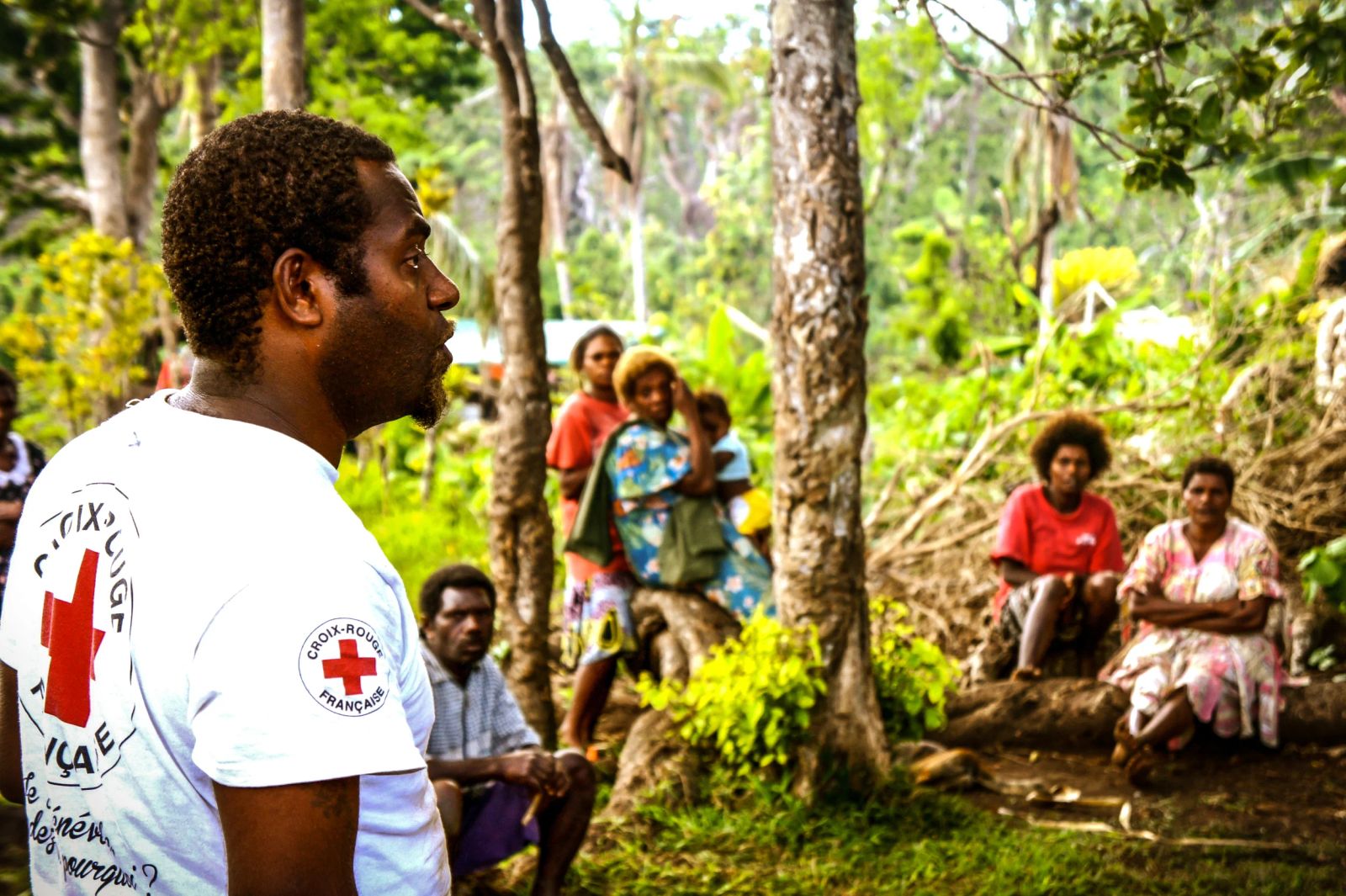
Environmental Conservation Efforts
Vanuatu’s unique biodiversity is under threat from climate change, deforestation, and unsustainable fishing practices. Several organizations work towards environmental conservation and sustainable resource management. Initiatives focus on reforestation, protecting marine life, and educating communities about sustainable practices. For example, the Melanesian Conservation Company engages with local fishermen to promote sustainable fishing practices, directly influencing the health of marine ecosystems while supporting local livelihoods.
Future Directions
The future of organizations in Vanuatu depends on the ability to adapt to emerging challenges. Climate change, health crises, and economic shifts require innovative approaches. Collaborative efforts among local NGOs, governments, and international partners will be essential in crafting resilient strategies that prioritize sustainability. Investing in technology, enhancing local capacities, and encouraging youth involvement will also play a significant role in the effectiveness of these organizations.
Conclusion
Organizations in Vanuatu are instrumental in driving social, economic, and environmental progress. By addressing local needs through community-driven initiatives and global partnerships, they contribute to the resilience and well-being of the nation. As Vanuatu continues to face unique challenges, the dedication and innovation exhibited by these organizations will be crucial for navigating the future. Through continued support and collaboration, the potential for a thriving, sustainable Vanuatu is within reach.
